Foley 101 · Part 1 of 3
What Is Foley?
A short introduction to Foley: what it is, what it covers, and why so much of a film’s sound is recorded after the shoot.
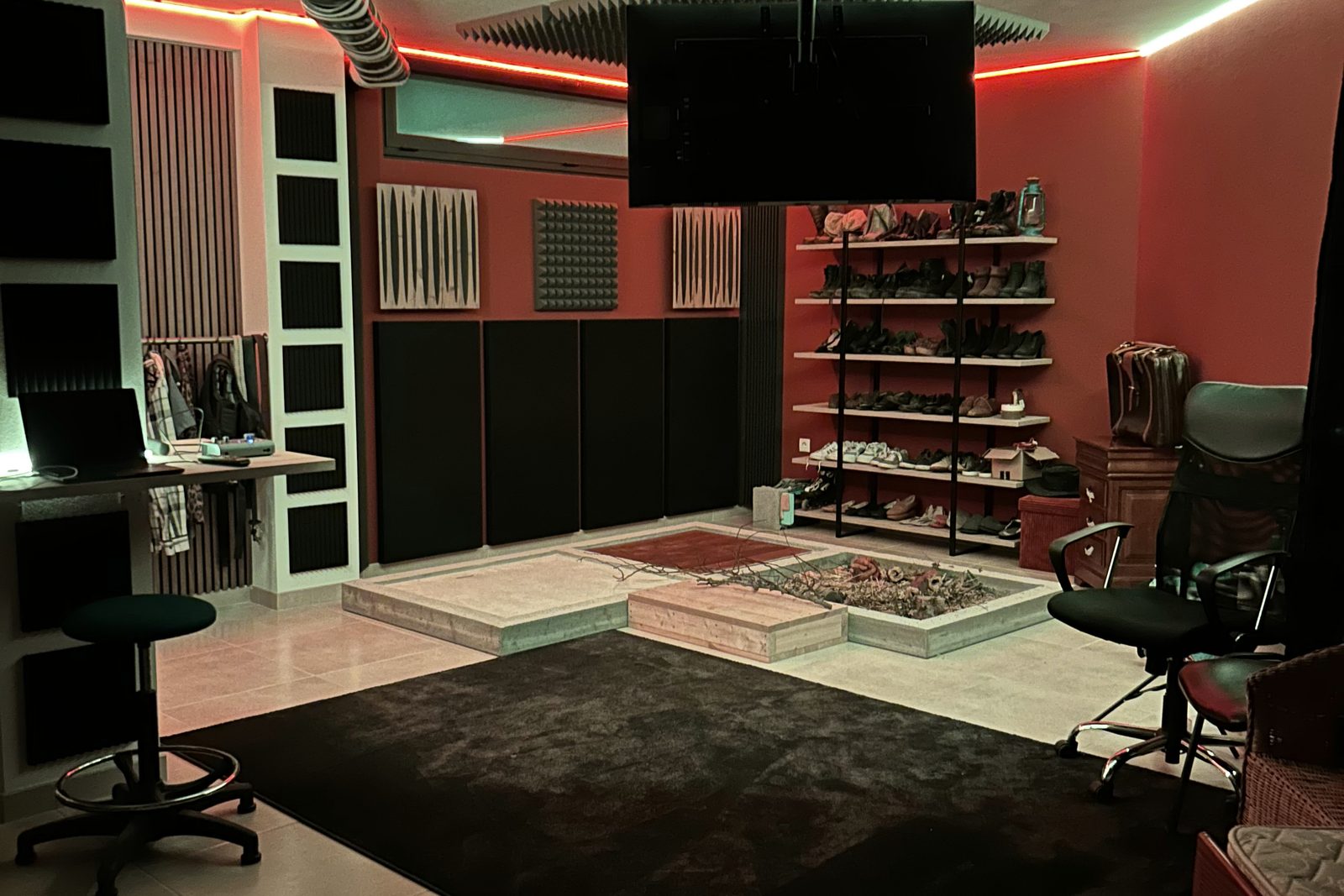
Think of the last film you watched. Footsteps in a quiet corridor, a coat brushing past a door frame, a glass put down on a table. You probably didn’t notice any of them, which is a good sign. A lot of those sounds weren’t recorded on set. Someone recreated them afterwards, in a studio, with the film playing in front of them.
This is the first piece in Foley 101, three short articles on the basics.
Foley, in one sentence
Foley is the art of recreating and performing everyday sounds in sync with picture.
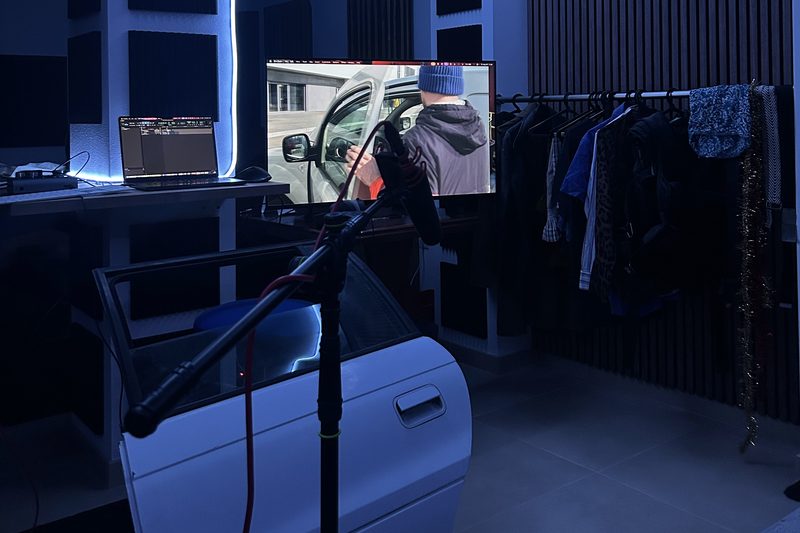
It happens after filming, usually in a studio built for it. With the scene on screen, a Foley artist recreates what the people in it would sound like: their steps, their clothes, the things they pick up and put down.
Jack Foley gave the craft its name. In the late 1920s he was one of the people at Universal working out how to add sound to their films. The tools are very different now, but the basic idea hasn’t changed much: someone watches the picture and performs sound to it.
What does Foley include?
Most of it is the sound of people moving through a scene:
- Footsteps
- Often the biggest part of a session. The shoe, the floor and the way someone walks all change the sound.
- Clothing
- A sleeve brushing a jacket, a zip, leather creaking. Usually called cloth or moves.
- Props
- Things a character handles: keys, cups, bags, paper. Often called specifics.
- Body movement
- Sitting down, leaning on a wall, a hand landing on a table.
- Object interaction
- Something dropped, dragged, opened or set down.
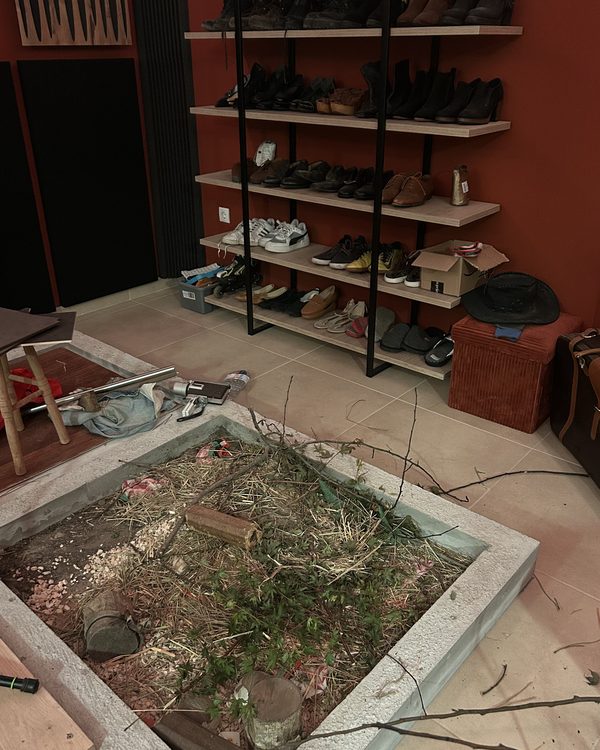
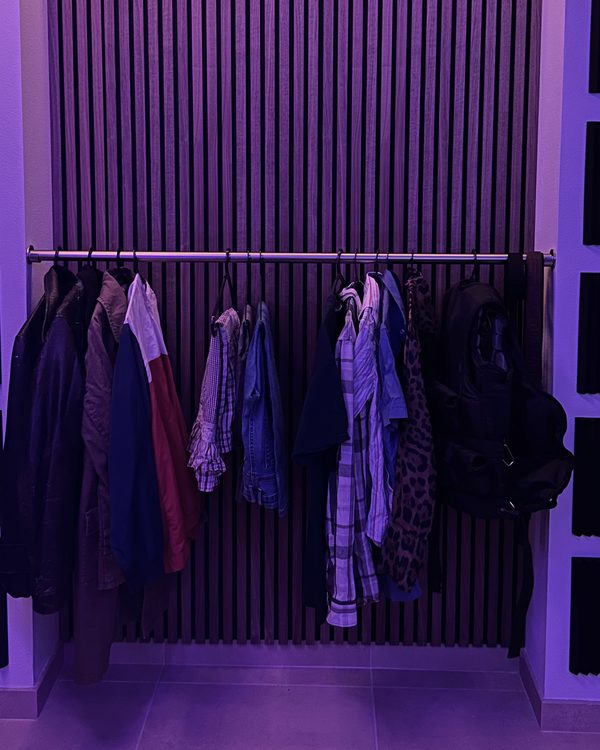
So a Foley stage tends to look a bit like a storeroom: floors to walk on, boxes of props, and more shoes than seems reasonable.
Why is Foley recorded separately?
On set, the priority is dialogue. The microphones are aimed at the actors’ voices, so footsteps, clothes and small movements are often faint, noisy or missing.
Sometimes the dialogue itself is replaced later, either re-recorded in a studio (ADR) or dubbed into another language. Whatever else was on the original track goes with it, and Foley fills the gap.
Recording separately also gives control. A step can be heavier, a sleeve quieter, and a cup can land on exactly the right frame.
Foley and sound effects
Foley isn’t the only sound added after filming. Sound effects cover the wider world around the characters: traffic, weather, machines, explosions, often built from recordings and libraries.
The quickest way to tell them apart is to ask who the sound belongs to. A car passing in the distance is usually a sound effect. The footsteps of someone crossing the road towards it are Foley. There’s more on this in Foley vs Sound Effects.
How is it recorded?
In short: the film plays, and the artist performs along with it, choosing shoes, surfaces and props that suit the character. Footsteps, clothing and props are usually recorded in separate passes, so each can be adjusted later. The whole process is in How Is Foley Recorded?
When I get a new film, I watch it once just for the story. On the second watch I start noticing the objects I’ll need, especially the ones where it isn’t obvious how to make the sound. On the more interesting films, that’s usually when a rough props list starts.
Why does Foley matter?
When it’s right, a scene simply feels believable. People have weight. Rooms feel lived in.
Most of the time, the audience shouldn’t consciously notice it. They should simply feel that the world sounds real.
What I enjoy most are the difficult scenes, where I really have to think about how to build a sound. I also love recording footsteps and performing long sections without cuts. A lot of that comes with practice. I’ve grown a lot over the years, and there’s still plenty to learn.
Next in Foley 101: how Foley differs from sound effects.